Saturday, March 11, 2006

The Little Willies


Written by Fantasma el Rey

With the energy, passion and fun put into their self-titled debut album The Little Willies could have easily chosen to call themselves The Big Willies. Names aside, this jamming five-piece band blends barrel house rhythm and blues with honky tonk country, reminding us of a time thought long past. The band, Lee Alexander (bass) Jim Campilongo (electric guitar) Norah Jones (piano, vocals) Richard Julian (guitar, vocals) Dan Rieser (drums), and their name conjure up images of backwoods shacks and hole-in-the-wall juke joints packed with all kinds of cats having a good time late into the night. And that's just what this band of musician friends from New York does: have a good time.

The band kicks off the disk with a classic of western swing “Roly Poly.” The band shows its ability to jump quickly. From the opening bass/drum thump and guitar picking you can feel where these guys are going and where they're coming from. Twenty-five seconds into the song and you're jumping when Miss Jones flies to the front, tickling the ivories like Pete Johnson's granddaughter instead of Ravi Shankar's. Campilongo gives us just a taste of his picking prowess right before Jones and Julian come crashing in with hopping-mad vocals. Reenter Campilongo and more cooking guitar work, again followed by Jones who is simply on fire on this non-stop jump number, but not to be forgotten, the rhythm section comes back up front to close this solid sender. Check out Alexander's bass run at the end, dueling with the piano before he thunders the track to a close.

The Little Willies keep their momentum going into the rolling “I'll Never Get Out.” With Julian's fine vocals and Jones' backing you almost forget that this brother's world is in a spin. Campilongo and Rieser really show us what they've got here; Campilongo is a gifted guitar slinger who can handle blues guitar like he was born and raised on Chicago's south side.

After letting us know how hard they can jump and swing, The Willies let us rest a little but still leave us breathless with a wonderful reworking of the Lieber and Stoller classic “Love Me,” made popular by Elvis Presley. Yet here with Norah doing lead vocals and Richard supporting, we're reminded, whether intentional or not, of the original R&B version by Willie and Ruth. I dig this track because The Little Willies blend both versions of this song perfectly, combining the melodic backing vocals from Presley's version combined with strong R&B guitar work.

“It's Not You It's Me” is a Julian original that's steeped heavily in the honky tonk, hardwood floor tradition. He displays his talents as a songwriter, a talent we'll see from other Willies a little further along on this disk. This slow yet lively number is set ablaze by the excellent musicianship of this band working together. And again Norah Jones' vocals just knock me out.

With the next track we jump once again, this time with the cool wit of a Kris Kristofferson tune “Best Of All Possible Worlds.” This time our guitar hero picks us into a frenzied otherworld. Campilongo's super-charged solos bring to mind the work of rockabilly guitar legend Paul Burleson, rocking and jumping, yet controlled and not over the top. Alexander's bass work is outstanding here as well as is Reiser's drumming. The backbone of this band shows that they have mastered that steady-as-a-driving-train rhythm.

Julian lets us hear his passionate baritone vocals on Townes Van Zandt's “No Place To Fall.” Another excellent showcase of this band's talents, and I can't stress the fact enough that these cats are good. In “Roll On” we get another original tune, this one from bass man Alexander. Let me say this here, until this album I've never paid much attention to Norah Jones, but with this track especially, Miss Jones officially has a new fan. Her passion-filled, heartfelt delivery makes this track one of the album's strongest songs.

The Willies do two very good Willie Nelson covers, perhaps a clue to the origins of the band's name. With “Gotta Get Drunk” Jones lets us see a playful side of her vocals, and you can't help smiling at her delivery and banter, not to mention that wonderful howl. “There's more old drunks than there are good doctors/So Jim take another round,” which he does happily, making another powerful guitar run. The second Nelson number, “Nightlife,” is a solid country blues once more led by Jones' vocals and skill with the 88's.

“Streets of Baltimore” is another song that belongs on this album. Its pure country sound and sorrowful lyrics are another perfect fit for Julian's vocals. He makes you feel for this fellow who tries to make his lady happy even though he's not so enthused and winds up losing her to those darn streets of Baltimore. “Tennessee Stud” is a fun western story song, reminiscent of classics by Marty Robbins, that the band romps through with ease, highlighting their ability to move smoothly from track to track. This tune stands out for its rolling piano and out-of-sight guitar work; its infectious thump and shuffle beat make it a solid country rocker.

The Little Willies debut rounds up with a couple of originals: the slow ballad “Easy As The Rain” and the humorous “Lou Reed,” which should be noted is the band's longest number, soaring high at a whopping 4:14. That says a little something right there. “Easy As The Rain,” penned by Julian and Campilongo, is a beautiful love song that spotlights the chemistry of Jones and Julian's vocals. This sweet ballad is easy on the ears and tugs on heartstrings without being overly sentimental or sappy. The closing track is the odd “Lou Reed,” a very playful little ditty that has Julian giving his best impression of the fellow New Yorker and rock pioneer; what a wonderful way to end their first album. On their final number, we get a chance to hear the entire band join in on vocals and have a blast together, solidifying their “live” sound.

The Little Willies debut album is a joyous expression of five talented musicians coming together to have a good time making music the way music should be made. Simple and passionate without being overdone or pretentious this band is tight and yet maintains a loose, live sound that keeps this album moving right along. The entire band is solid from the backbone of Lee Alexander and the bottom of Dan Rieser to the piano/vocal skills of Norah Jones and Richard Julian's singing/ songwriting weaved all together by Campilongo. This New York City unit is purely masterful at what they do. They deliver on that big sound and keep us longing to hear more from them in the future. One can only hope that it's the near future and a venue close to home because with every spin this disk just keeps getting better and better.

Here's to the Little Willies and their big sound so let's all “take another round.” And for those interested in originality and a strong country sound I recommend looking for Jesse Dayton's Tall Texas Tales; Jesse has more of a country feel but that same passion for what he does.

Friday, March 10, 2006

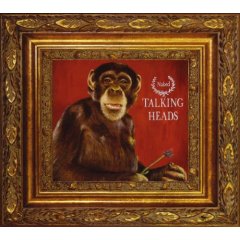
Talking Heads: Speaking In Tongues, True Stories & Naked

by Fumo Verde

If you are into Talking Heads and David Byrne, then here is something you will enjoy. I know what you are thinking, “Speaking in Tongues, True Stories, and Naked are old albums, Fumo. Like 20 years old.” I know, but what makes these new, in a sense is that they are those DualDisc CDs. On one side is the album itself, the other is a DVD. DualDiscs have been out for a little while, but this is a first for Talking Heads. I got to check out these three CD/DVDs; I was impressed and bummed out and here is why.


To start off with, if you're into Talking Heads, the music is great. On Speaking in Tongues, the album they peaked with commercially, signature art-school funk pieces like "Burning Down the House", "Girlfriend is Better" and "This Must Be the Place" are great tunes. An unfinished outtake of "Two Note Swivel" and the alternate version of "Burning Down the House" (previously unissued) are the bonus tracks, which are well worth the purchase of the CD alone.


On True Stories, the companion album to Byrne’s directorial debut of the same name, you have "Love for Sale", "Wild Wild Life" and 'People Like Us". The funk is gone and the music has more of a dance/pop feel, very reminiscent of the period, but very unlike Talking Heads. It sounds like they were either trying to sound popular or they didn’t care what they sounded like, which is likely more accurate since Byrne had recorded these songs previously with the cast of his film. Even the album cover is lacking in comparison to all their other releases. The bonus tracks include an extended mix of "Wild Wild Life", the Pops Staples’ vocal version of "Papa Legba" and the Tito Larriva vocal version of "Radio Head".


Naked has of course "Totally Nude", along with "Mr. Jones", "Cool Water", and "Sax and Violins" for its bonus track. The music goes back to their experimentation with world rhythms, although the focus is on Latin sounds, foreshadowing Bryne's solo work on the album Rei Momo.

As for the DVD sides, there are two options you can choose. You can listen to the music again, which here is recorded in Dolby 5.1 Surround Sound, so if you have the full-on, killer entertainment system at home you can shatter all the glass in your house. The other option gives you the opportunity to see Talking Heads videos, the ones we all saw back when MTV played music videos. "Burning Down the House", "This Must Be The Place", "Blind", "Love For Sale" and "Wild Wild Life". Sure, these were mostly done in the late '80s, but compare them to the videos now. Wait; does MTV play music videos anymore?

The idea of dual CD/DVDs might become the new format as record companies desperately try and save themselves by making money reselling products that we already have with features that won’t be easy to burn and pass on. The remastered sound is clearer and sounds great. As for the videos, they were cool when I first saw them, and I still like them now, but I was thinking when El Bicho said, “DVD side,” I thought, lost concert footage or never-shown-before concert footage, or even new footage would have satisfied me. I'm sure as the technology gets better, and they can start squeezing more things onto longer-playing discs these DualDiscs may work out, as for now, I'll stick with CDs.

And you may ask yourself, which of these should I buy? I recommend Speaking In Tongues, Naked, then check out some other albums, especially the live album Stop Making Sense before downloading a couple of tracks off True Stories because the whole album isn’t worth it.

This ain’t no party, so I’m leaving, babies...FV

Thursday, March 09, 2006

Samite: Embalasasa


by Ladron de Tebeos


Howdy, howdy movie fans, just got back from checking out some Oscar footage. You’ll have to pardon me if I’m a little incoherent; staring obsessively at Jennifer Garner’s pregnancy-induced cleavage has caused the blood to leave my brain.

Today, we’re going to be reviewing a new album called Embalasasa, by the artist Samite. Now this sounded like the kind of album where I might want to purchase a little verde from my good friend Fumo Verde to enhance the experience. However, he’s currently residing in the local lock-up at the moment. Something about public nudity and committing unnatural acts with an animal. So, I’ll have to roll sober on this one.

Embalasasa is the beautiful, multi-colored, but poisonous lizard that surfaced all over Samite’s Ugandan homeland when he was 12-years-old. “Whenever an embalasasa came into the house, we all climbed on top of a table and called my grandfather to come and kill it. We knew we were safe as long as grandpa was around; he used his walking cane to protect us.”

“On the title song, I call my grandpa to come with his walking cane and kill the modern embalasasa, AIDS, a deadly disease transmitted through the most beautiful, vibrant and natural act.” The albums songs draw on Ugandan folklore, geography and struggle to express words of allegory, healing and hope. In addition to AIDS, his curative songs address war, intolerance, the death of a loved one and survival.

This is one of those albums you need to be in a mellow, happy kind of mood to enjoy, (hence my desire for some verde) because the music itself is melodious and kind, and Samite sings in the warmest and mellowest of gentle voices, picture Bobby McFerrin on tranquilizers, being backed by flutes and kalimbas. If you don’t like being lulled then it will drive you batty.

“Give me something a little up-tempo,” you’ll eventually say. “Why does he have to be so pleasant and earnest all the time? It’s like having a Jehovah’s Witness at your door for 45 minutes. Despite some definite good moments, the song "Nawe Okiwulira" sounds like one of those Afro-funk fusions the Talking Heads attempted, only a lot better, this is why people write off most world music as New Age niceness. It’s not bad, but yaaaaawwwwnnn…

The album moves from flute to percussion to guitar to singing, and overall, I’d say there’s enough good moments here to half-heartedly recommend Embalasasa. Kind of a rainy day album to put on when you felt like being slow and lazy. Of course, truth be told, I find it kind of hard to criticize Samite, simply because he’s far more of an awesome human being than me and most everyone I know or have known—he works with war orphans and he’s the director of the Musicians for World Harmony organization—but there are less-awesome guys out there who are making much more compelling albums than this.

Tuesday, March 07, 2006

Cabruera: Proibido Cochilar


by Ladron de Tebeos

Hola, mi amigos, como esta? Okay, that’s about it for my Spanish, so, in an act of immense bravado, I will be reviewing an album where the lyrics are entirely in Spanish…hold your applause…

Today’s album is Proibido Cochilar: Sambas for Sleepless Nights by the group Cabruera. Cabruera was formed in 1998 when six nordestinos, (no idea what a nordestino is, does it mean Eskimo?) all with backgrounds in the contemporary Brazilian music scene, joined together to find a way bring their folk roots into the modern era. They sought counsel from an indigenous Tupi oracle who told them that they needed to start a band to bring a new injection of life to the communities of Campina Grande and Joao Passoa. The oracle also said that the band was to be called “Cabruera,” from the word “cabras,” meaning “a group of goats.” Then I think the oracle told them that they were “The One” and they had to fight Agent Smith in one good movie and two crappy sequels…Anywho…to get in the proper spirit of the music, I’m gonna throw back some tequila and give this a spin.

One Tequila, two tequila, three tequila

Damn, this music rocks, I’m jumping around shaking my ass all over the place. Not sure if this is considered dancing or it just looks like I’m having a seizure, but who cares, the dorky, uncoordinated white boy is rocking. This album is supposed to be a mix of Forro (again, no idea what that means, I’ll guess fire), rock, jazz, funk, rap, reggae and drums and bass, under-girded by the syncopated beat of samba…hmmm, sounds kind of complicated, all I know is that it’s kicking my ass right now…there go the neighbors, banging on the wall, let me turn it up louder…

4 Tequila, 5 Tequila, 6 Tequila

I’m not sure who this guitar player, but swear to god, he’s like a Spanish Jimmy Page or something…It’s weird, all the women on TV are starting to look like Jessica Alba…I’m not dancing anymore, I shook my ass (and skull) into a wall. But this is really, really, really good music & stuff. I could listen to this all the time, even sober. I’m even starting to understand some of the lyrics, I’m pretty sure they’re singing about chicks and stuff…Oh wait, I know what Forro means, I read it on the notes, it’s the name for the region’s country parties, at which musicians and dancers get down in an athletic form of dance that makes the lambada look tame, “At a good Forro party, the air is thick with dust raised by the feet of tireless dancers.” Screw it, where’s my tennis racquet, I’m gonna air guitar my way into history and show you all how to Forro your asses off…STOP POUNDING ON MY WALLS OR I’M GONNA RIP YOUR HEART OUT AND EAT IT!!!...Stupid neighbors, no appreciation for good music.

7 tequila, 12 tequila, 1 tequila more…

Fuckin’, it’s the fucking government man, they’re doing stuff to piss my shit off, like buttons and stuff, that makes my room spin around like this, do you know what I mean? That’s why I love you guys, you’re my fucking bitches…Oh pissballs, now the police are knocking on my door, I’m gonna go teach these guys not to piss me off, I’ll be right back…

Monday, March 06, 2006

Rush: R30


by Fumo Verde

In eighth grade, my buddy Chris brought over his Rush tape, Moving Pictures. He wanted me to listen to two songs. One called "Witch Hunt", a dark and spooky number. Since we went to Catholic school and had heard the band was "demonic," we had to listen. The other song was, of course "Tom Sawyer" which immediately turned me on to a sound I had never heard before. I was used to the classics, Hendrix, The Who, Zeppelin, but Rush was a band that took the classic rock sound and energized it, flying off into a different galaxy altogether. Since I first heard that tape, I have been to nine Rush concerts and have more than half of their work on CD, the rest on tape. Rush is the only band that I have seen that many times and will keep seeing, until they decide I won't see them anymore. Hope that never happens.

R30 captures their 30th anniversary tour Rush performed in the summer of 2004, which El Bicho, Captain Petrone, Dr. Smith and myself attended on July 14th, and it was one of the best shows the band has ever done. The first DVD is from their performance at Festhalle in Frankfurt, Germany, on September 24th, but once it started up, I was transported back to Irvine Meadows or what ever the frack it's called now. The chills started up my back and I found it hard to sit without jumping out of my seat and rocking out in my living room.

The show starts out with a little animation that tours you through the images of Rush album covers, from Rush and 2112 to Roll the Bones and beyond. This trip down memory lane is shown on the wide screen monitors above the stage, but this looks even better on a TV or pc screen. After the cartooning is over, the screen fills with a sleeping Jerry Stiller, who wakes up wondering if had missed the show and is annoyed that they never play “Bangkok.”

Then, electricity fills the air...even in my living room. The band's entrance starts out with an instrumental medley of early songs, snippets from “Finding My Way,” “Anthem,” “Bastille Day,” “A Passage to Bangkok,” “Cygnus X-1,” and “Hemispheres”. After this 10-minute Overture, they break into the heart-stirring "Spirit of the Radio" and the magic at your fingers are created by Alex, Geddy and Neil as they pour out all their energy into songs, such as "Force Ten", "Subdivisions", Red Barchetta" and of course, "Tom Sawyer". Speaking of Neil, it wouldn't be a Rush show without one of his amazing percussion demonstrations and as always he delivers the goods.

In the summer of '04, Rush released an EP of covers called Feedback on which they honored their favorite bands and songs. Some of those songs made it into the set as well, such as an acoustic version of The Yardbirds' “Heart Full of Soul,” Eddie Cochrane's “Summertime Blues”, The Who's “The Seeker” and the band who was the blueprint for rock trios, Cream's “Crossroads.”

The concert lightshow that Rush puts on is equally breathtaking, and mixed in with the music one can truly see why the German fans are going crazy. Rush always puts on a great live show, and their artistry, training, and devotion to their work really shine through when they are on stage, and the crowds can tell.

The second DVD contains archival footage from interviews and performances throughout the years. They are interviewed while on tour in 1979, about their 2002 album Vapor Trails, and are inducted into the Canadian Music Hall of Fame in 1994. Video shows them appearing on the TV show “Rock Concert”, two tracks from Seneca College off A Farewell to Kings in 1977, and appearing at Toronto Rocks in 2003. There are a total of 15 features all together to satiate the most die hard of fans. Most of these tracks are from the late 70's and 80's and it's funny to see the guys with all that long hair.

The best track is the "in studio" version of "Closer to the Heart" performed for the Canadian Tsunami Disaster Fund. During concerts, when this song comes up, the Bics come out to light the night air, but this version, gives you an almost personal window into how these men not only work together, but how they enjoy what they do. They might be in a studio, but the sound and their playing still have a concert feel.

There are 2 CDs included in the Deluxe Edition that has the audio from the Frankfurt show, so you can take it with you if you don't have a portable DVD player. There are two signature guitar picks, a 17-page photo pamphlet, and Easter Eggs. (That's if you can find them.....Good Luck)

For me, Rush was the band that inspired me and really got me into the music that I enjoy today. This deluxe edition gives the fan a chance to possibly sit back and watch these guys in action, but as I said before, with Rush, it's truly hard be still. Here is a band whose melodies get you moving and the lyrics get you thinking. Once your body and mind are in motion your spirit will ignite, bringing it closer to the heart, and once that happens, oh babies, what a RUSH.

Sunday, March 05, 2006

Umphrey's McGee: Wrapped Around Chicago


by Fumo Verde

There's no better place to see a band than in their hometown, and for the boys of Umphrey's McGee this show proves that axiom to be true. Out of the great city of Chicago comes a sound somewhat familiar but not. UM--Umphrey's McGee has a sound all their own and an energy that only rivals their fans. The blending of music and the weaving of songs is carefully constructed, yet quickly blown away by the amazing talent these men have. This two-DVD set contains three hours of high-energy performance leaving those who were there exhausted and ecstatic. Although I live in California, seeing this DVD made me inquire about plane tickets to the windy city for this year's bash.

UM always puts on a great show, this I know, because El Bicho and I have seen them three times, and are always willing to see them again. Their sound is distinctly different, though you can hear the influences of Steely Dan, Yes, Led Zeppelin and other genres such as Reggae (another one of my favorites, which I'm sure is a surprise to no one who). These strong sounds echo their tenure as UM casually rolls from one song to the next. They are considered a jam band, and like their forefathers, the Dead and Phish, UM starts a song out in one direction and can make a 90-degree turn onto the path less traveled, which they will often do more than once in a song, and then bring you right back to where the journey started. These guys have the talent. It isn't raw; they have it wired.

The lead off song is "Divisions" which like most of UM's songs starts out smoothly, Brendan Bayliss' vocals and guitar with the percussions of Andy Farag and drums of Kris Myers. The song revs itself up into a charging, rock groove. This part of the song gives the boys legitimacy to being a "jam band" for it rolls on for eighteen minutes or so before the soft gentle touch of Joel Cummins keyboards and Jake Cinninger's guitar brings it back to its starting point.

It's followed by the instrumental "Great America". Now it is Andy and Kris's turn to start the engine. Starting off somewhat exotic and mystical, the guitars are the instruments that push the energy level up a notch on this one. Most of UM's jams and songs start out quiet, unabated only to roll into a heavy "jump up and down in your seat" rock jam. These boys know how to improvise and they aren't afraid to experiment either.

One of my favorite songs is "Anchor Drops" which starts out with Ryan Stasik bass dropping the notes while Myers lays down the beat. Here the voices of Bayliss (lead), Cinninger, and Cummins harmonize, and though there are only a few words in the song, they carry a thoughtful message, "breathe easy/the less you have to offer, the less you have to loose." UM has that kind of wit that runs through their tunes. Bayliss once said "If it's not fun, it's not gonna get done."

After "Anchor" the next song to drop is "2nd Self", which has a somewhat political edge to it. The DVD cruises along, as images of the audience dance and shake to the beats that are being laid out by Farag and Myers. Here, Cinninger and Bayliss let it all hang out as Stasik keeps thumping with his bass. The close-out song just before intermission is "Partyin' Peeps". Stasik, Cinninger, and Bayliss throw down a reggae vibe. It's a simple song that recounts the tales of the trails that they have been on since they have begun.

The second DVD starts out with "Ophelia", a Robbie Robertson song. Joel and Brendan belt this one out as a four-piece brass section adds some good old Chicago blues that have influenced this band in more ways than one. Next is "Mail Package" as Myers and Stasik thump out a rock-steady beat, Cinninger taunts with trippy, space-like riffs while the brass adds more flavor. This song recants the encounters Cinninger has had with our postal service. Although the beat to this song has an ominous thump grinding it out, the words here have a lighter side to them.

They replay "Nopener", but with a twist. They played a rock version in the first set, but now they give it a lounge treatment this time around. Myers comes out from behind his drum set in his best Sinatra outfit. Yes, UM's drummer even gets to take center stage. His Frank impersonation isn't the best, but he does have a crooner style of voice. The house lights go to a film noir look, and we're talking Rat Pack, baby.

It's not all jamming and traveling down exotic paths at rocket speed; the band loves to have fun and their interaction with the crowd is great. Yes, crowd; an audience sits down. James Brown will tell you that people at UM shows, like all great rock shows, “got ants in their pants and need to dance.” Wiggling their shit in what from the upper rows must look like a stoned, drunken, sweaty amoeba that undulates with thump of a cord, or a bang on a bongo.

Umphrey's McGee is a band one must see, their power and energy comes driving on stage like the cold hard winds that gave the nickname to that grand old city. If you can't get to Chicago, or might not have a chance to see them live, this DVD duo will take you there...sit back, fire one up and let da boys of Umphrey's McGee show you what a good jam can do for one's soul. For those of us out on the west coast, the skinny is the band may be back in April...and possibly a new album next year.

Both these DVDs have all sorts of extras. A couple of songs, Nemo and Padget's Profile, performed at the previous evening's show, a drum lesson from Meyrs, Farag's "Atmosmenu Music" and some UM claymation. There's even footage of Huey Lewis rehearsing with the band at 2005's Jammys. I told him this band was it.

This is Fumo Verde....until the next time Sister Moon is in full.

Friday, March 03, 2006

Enron: The Smartest Guys in the Room


by Ladron de Tebeos

Greeting my fair-weathered, review-reading friends. Just got done overdosing on massive amounts of Olympic coverage and it’s time to pull my mind from those nagging questions that the Olympics always bring me: namely, can those figure skaters spin around real fast like that when they’re….uhhh, crouched on a different surface than ice? Speaking of which, maybe one of you linguistic folks out there can help me out: is Bode Italian for Fat, Drunk Loser? Just curious.

Okay, today I watched the film Enron: The Smartest Guys in the Room. Now, try as I might, I have a hard time walking into this objectively, my thoughts even before viewing were that Ken Lay, Jeff Skilling and the whole gang should be taken out back and be severely beaten and then tossed into a jail cell where they can be severely butt-fucked. This, in my twisted little world view, would be justice. Enron, to me, is symptomatic of what is wrong with our political system as a whole; elected officials slash whores, who don’t really give a flying fuck about you or I, average Joe Taxpayer, but about the companies slash johns and rich folks who feed them their bribes, errr, I mean campaign contributions. So, having gotten my little rant out of the way, let’s see how this plays out.

The film, narrated by Peter Coyote, does a very good job of guiding us through this whole shit storm, using graphics, interviews, footage of shareholder meetings and taped telephone conversations of Enron traders, who sound like a gang of Soprano-ish type thugs as they conspire to plunder the California economy.

Director Alex Gibney takes shots at all the scum bags, (see, I told you I was angry) who knowingly or unknowingly held up this fraud, including the Bush administration and the Wall Street establishment, pointing in particular at Merrill Lynch, which, on Lay's complaint, fired the only stock analyst who dared question the Enron bubble as it was expanding.

There seems to be a general impression that Enron was a good corporation that went bad. The movie argues that it was a straight up B.S. con game almost from the start. It was "the best energy company in the world," according to its top executives Kenneth Lay and Jeffrey Skilling. Of course, at the time they said this, they knew that the company was bankrupt, had been worth big piles of zip for years, had inflated its profits and concealed its losses through bookkeeping practices so corrupt that the Arthur Anderson accounting firm, who in the interest of full disclosure used to employ Mil Peliculas, was destroyed in the aftermath.

One Enron tactic was to create phony offshore corporate shells and move their losses to those companies, which were off the books. We're shown a diagram tracing the movement of debt to such Enron entities. Two of the companies are named "M. Smart" and "M. Yass." Showing how smart they really are: One stood for "Maxwell Smart" and the other one ... well, take out the period and put a space between "y" and "a."

The level of arrogance these peckerheads, Ken Lay, Jeff Skilling, Andy Fastow, and Lou Pai enjoy due to their wheelings and dealings, due to their abject refusal to take responsibility for their own actions, and the powerless consumers taking it up the back door, makes it all seem like some kind of sick joke, these ass-wipes are almost caricatures of the evil businessman.

Enron is a movie you can’t help but become emotionally involved in; by the end you feel as drained as the thousands and thousands of employees 401(k)s.

Based on a best-selling book by Fortune magazine writers Bethany McLean and Peter Elkind, this is a movie that needs to be seen. The Enron scandal was swept under the rug, (google Ken Lay Trial and ask yourself how much of the now recent events you’ve seen on the nightly news) in the fever to push Iraq as America's agenda. It's frightening to find out how much you didn't know.

And did I mention that it really pisses me off?

Wednesday, March 01, 2006

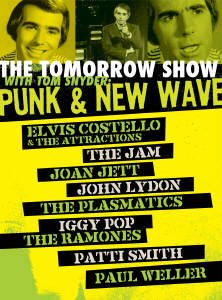
The Tomorrow Show: Punk & New Wave


by Fumo Verde

Once again Shout Productions brings us more rock legends, or more like punk and new wave legends. Here on NBC's The Tomorrow Show with Tom Snyder, Shout relives the days when the punk rock and new wave trends hit the scene bringing us tri-colored mohawks and stylish safety pins for your cheeks or nose, whatever felt more apropos. Hosting the festivities is Tom Snyder, a guy more clueless about music than the bands he interviews. Pack a freshy-fresh, babies, and prepare to go retro.

Shout has put four shows on each of the two DVDs for this punk and new wave collection and it comes by way of The Tomorrow Show with Tom Snyder, which ran from October of 1973 to January of 1982 until David Letterman took over. The show aired right after Johnny Carson, the king of late night, running from 1am to 2am. At that time of night, Tom described his audience by stating that at that hour "you get the tokers and the smokers."

These eight shows have to do with the punk rock revolution that was blowing up at the time. As with another Shout release, The Dick Cavett Show: Rock Icons, Snyder’s show got some pretty hot acts for the time, such as Elvis Costello, Iggy Pop, and The Ramones If you’re just in it for the music, the menu options lets you get right into it, but if you're a history freak-o like me, you may play it from the beginning.

If anything, play the first show. There isn't a performance by any of the bands, but Snyder interviews LA Times music critic Robert Hilburn, promoter Bill Graham and a punk-new wave producer Kim Fowley, who due to his heavy make-up, causes Tom to greet him with, "May I say, Kim, you look ridiculous tonight." This segment will give you some kind of a background to what this music rebellion was all about. Halfway through the segment, the three men are joined by Paul Weller of the Jam and Joan Jett of the Runaways, who already seems to have the wisdom beyond her time, or so it seems.

As weird as this first interview gets, the best of those is yet to come. Good old John Lydon, you know, Johnny Rotten from The Sex Pistols, shows up with his buddy. Oh yeah, now I know why Lydon called himself Rotten, cause he was. What a fucking asshole, and his P.I.L. partner, he was such a clownshoe. I can't even remember his name, and he sure as hell ain't worth putting on the DVD again just to find out. Although Snyder is clueless when it came to the punk scene, he showed that he was a professional when dealing with stuck-up, snot bag brats like rotten Lydon.

The other interviews with Elvis Costello, Iggy Pop, and Patti Smith are cool. Here are the diamonds, and this is where it counts. Elvis and Patti give some pretty in-depth images of what they think of themselves, the music that they are making, and how it's affecting the youth of that time frame. Iggy is just a freaking nut, but here you do get to see him before he went below the 110-pound mark before the heroin took over.

The two performances and interviews that standout come from Wendy O. Williams and The Ramones. The music of Wendy O. and the Plasmatics sucked and they couldn't play for shit, but the stage show they put on was a crazy spectacle. You get to see them blow up a Dodge, yes, a car, in an enclosed studio with the audience thirty feet or so away. Nice.

The best is for last. The Ramones, and although the boys were pissed that Snyder wasn't there to take the brunt of their harassment, local NBC news anchor Kelly Lang filled in, and was just as clueless as Snyder. That doesn't matter though, because when the Ramones play, it explains it all. Funny thing about the Ramones, and for that fact all the bands, they never called their music "punk". The newspapers in England coined it.

Shout has the right idea. Its great to see all these artists just as their stars were on the rise, but it would be better if they would cut out all the bullshit because the Tomorrow shows they include aren’t that special. The roundtable discussion about punk was fitting, but I don't want to hear some old ladies poems on "how to be in love" and I really don't care about the guy who had the radio show with the psychic who predicted Pres. Regan's shooting---days after it happened--(funny as that one was).

Nor do I need to see the "other Don Rickles," an announcer at NBC, be the first person on TV to play Simon, which my fellow Gen X-ers and older will remember is the memory game where you press a panel after it lit up in increasingly harder combinations. It must have been quite a technological advancement of 1977 because they spend way too much time on it. After the first couple times, we get it. Maybe the famous Don Rickles cancelled. Anyway, they need to put more music on these discs and less filler.

This is Fumo-- punk is dead, long live rock n' roll.

Friday, February 17, 2006

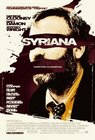
SYRIANA


by Carlito de Corea

A strong ending makes up for what felt like a tedious and confusing film much of the time, revealing a greater degree of coherence than was initially apparent. The build-up toward that end, however, is complicated and at times seems so esoteric that we are left feeling almost inadequate, unable to get emotionally or even intellectually involved. Still, I recommend Syriana, with the reservation that the labor involved in trying to keep up with the multiple, often obscured, storylines might be too taxing for many viewers.

If “Syriana” bears any lexical relation to the term, “Americana,” then it means, “About the Middle East,” or “Things characteristic of the Middle East.” Syriana is told in a fleeting, almost stream-of-consciousness style, and begins by placing us in the center of scenes for which no context has been established, cutting from one set of characters to another, each occupying different, as-yet-un-discernable storylines. The film is written and directed by Stephen Gaghan, who also wrote the screenplay for Traffic.

There are essentially five storylines, depending on how you divide them, which are all eventually brought together in the end: the story of Bob Barnes, the CIA assassin, played by George Clooney, who is being retired by the agency; the story of Washington lawyer, Bennett Holiday, played by Jeffrey Wright, and the merger between the Connex and Killen oil companies; the story of the emir and his two sons, Prince Nasir and Prince Meshal, both potential heirs to his kingdom and its oil fields; then there is the story of Bryan Woodman, the financial consultant, played by Matt Damon, who becomes a confidant to Prince Nasir; and finally, there is the story of Wassim and his friend, Farooq, the disenfranchised foreign workers who are ultimately influenced by radical Muslims.

The film jumps back and forth between these main storylines, presenting small parts of each narrative in succession, sometimes even taking the time to focus on a minor aspect of a larger storyline, like Bob Barnes’ problems with his son, or Bryan Woodman’s struggle to keep his family together. The film also jumps to the many geographic locations that each of the main stories brings us to.

To help explain the film a little, if that’s possible in a short review, it might be easier for anyone planning on seeing this film to consider the story of the emir and his two sons as the central hub through which the other stories flow, or ultimately converge. This narrative is never developed, but is rather implied, acting more as a conduit for the other storylines in the film, although much of the film and its various narratives are also implied. In any event, all roads lead to the Middle East (coming from Texas and Washington).

Bryan Woodman, the consultant based out of Geneva, is working together with Prince Nasir, portrayed as the better, more conscientious prince, to reform his country and reduce the bleeding of their profits to foreign interests. Meanwhile, Connex and Killen are courting the other prince, Prince Meshal, whom it appears they can control, and who it appears will be heir to his father’s kingdom. They are also trying to get him to break an existing contract the emir has with the Chinese government. Basically, I would advise looking at the film this way: Bennett Holiday, and everyone associated with his firm, and with Connex and Killen, bad; Bryan Woodman, and the forward thinking son, good. Then there is Bob Barnes, who is caught in the middle, and paradoxically, as an assassin, is our moral barometer in the film.

There are also the foreign, or migrant, workers who have been fired from their jobs at the oil fields due to a takeover by the Chinese (replacing Connex), and who are generally mistreated at the bottom of the food chain, so to speak. Their story only relates to the other storylines tangentially in the end, but not inappropriately so. In fact, symbolically speaking, it is precisely appropriate that their story is less integral, as they are part of the disenfranchised masses, irrelevant cogs in the capitalist machinery. In so being, they are also vulnerable to radical, ideological influences, and as Syriana shows, are the X-factor, the joker in the deck we cannot predict.

The effect of Syriana might be described as a mosaic of simultaneous imagery, where the five or more stories are almost, in essence, coming at us at the same time. By seeing a short part of each narrative in succession, the viewer begins to feel present in all the various places and storylines at once. The effect is a kind of ubiquity, as I might feel in a dream, suddenly finding myself in various locations within a short space of time, but where things also don’t exactly make sense. The film also employs a sense of realism, however, but a subjective realism. Oblique camera angles and hand-held shots contribute to this feeling. There often seemed to be the sense that we were viewing the central action through a corridor of visual obstructions, people left out of focus, or a simple column or cupboard crowding the edge of the frame, so that we are always looking past or along something. This gave the film an insular quality, the feeling of watching in secrecy, or perhaps experiencing the tunnel vision of a dream. This feeling is further enhanced by the use of natural sound, combined with an ambient background music that reminded me of the music of Tangerine Dream.

While the film is achieving this ambient, beneath-my-conscious-level feeling, however, it also left me with a sense of being lost, or disconnected. Information comes fast and fleetingly, often in the form of some apparently off-handed remark, or some mumbled phrase from one character to another, under their breath, but which also happens to be a key element of the plot. Important information goes by so quickly that it’s hard to keep up, and then we’re off to another location, to another set of characters.

Of course, Gaghan is trying to bring us into the film from the inside, so that he can eventually pull back to give us a wider view, perhaps to achieve some of the effects discussed above, or perhaps to increase the impact of the ending, rather than taking the usual outside-in approach. Syriana drops us smack in the center of things, for better or worse, leaving us to fend for ourselves, so to speak. But this up-from-the-inside approach, combined with the abundance of storylines and the obscure manner in which exposition is presented, makes the film hard to follow, and for much of the time I really had no idea what was going on, leaving me detached, and even bored at times. I just sat back feeling left out, like I didn’t have enough political knowledge to participate in the film.

As far as the acting is concerned, the only distraction, I felt, was Matt Damon. I really didn’t think he carried his weight in this picture. He seemed to pale beside his “Middle Eastern” counterpart, Alexander Siddig, at crucial moments, as when he is scolding the prince for having no business sense. Rather than impressing us as the frustrated but impassioned observer revealing the truth in brutal terms to his new client, the character comes across as melodramatic and petulant. His delivery of these key lines seemed out of place, reminiscent of the diatribes we saw in Goodwill Hunting. At times, however, he wasn’t bad, and frankly, Gaghan should have exercised better judgment, or at least control, over his actor. He simply shouldn’t have settled for the scenes as they were.

George Clooney. George is an actor I don’t want to have any problems with. I like George. I’m always rooting for him, wishing he would be still, believe in his presence, which he does have, and much of that comes out beautifully in this film. At times, though, I felt I was seeing some of the usual George Clooney quirks coming through the performance, like his trademark head-bobbing. But much of the time, if not most of the time, Clooney was right on the money in this picture as the depressed CIA assassin being set out to pasture. But this was when he wasn’t trying so hard, relying on his presence and letting the character just be. The rest of the cast was strong, I felt. Jeffrey Wright was especially impressive in his understated portrayal of Bennett Holiday.

Storylines do begin to converge about halfway through the film, or later, and we finally begin to get the sense that the seemingly unrelated pieces of this complex mosaic are starting to make a larger picture, even if we don’t exactly understand what it is. Bob Barnes’ first return to Beirut marks a definite turning point in the film. Things pick up from there. At this point we begin to feel that Syriana is going somewhere, that the stakes are mounting and some significant resolution might take place.

Despite its complicated construction, I recommend Syriana. It is one of those movies whose ending has the retroactive effect of suddenly making the whole picture seem better, and making us realize that there was more to it than we may have initially realized, that beneath the confusion there was substance after all. For people who liked Traffic, you may already be inclined to enjoy Syriana, as both films were written by Stephen Gaghan, and bear much of the same structural approach to telling their story, with Syriana revealing government (American) corruption in the Middle East and Traffic showing the same thing in South America. As well, the film is visually satisfying, as I have described. There is a real sense of going on a journey, through a few dark tunnels, so to speak, and I enjoyed the “subconscious” feel of it.

In the end, I believe, I felt what director Stephen Gaghan wanted me to feel: stunned, and perhaps a little bit more aware, if I wasn’t already fairly suspicious, just how deep the connections run in Washington between the oil companies and espionage, between business and terrorism. I look forward to a second viewing of Syriana.

Thursday, February 16, 2006

The Corrs: Home


by Fumo Verde

From the Green Isle comes a foursome where talent and harmonies abound. The Corrs latest album, Home, is a blend of music and story, as all good Irish songs are. Here Andrea, Sharon, Caroline, and Jim combine instrumental path with traditional storytelling in what comes out to being the new way of Irish folk rock. Home is an array of images described in song and melody that forms vivid daydreams of plush green valleys and white rolling hills with friendly people to meet you at every pub.

The Irish language itself has a rhythm all its own, and here the Corrs have taken that element one step further. "My Lagan Love" is the first breeze to blow off the album with its marching-drum beat and lone piano. "Like a lovesick lenanshee/She hath my heart in thrall/No life have I, no liberty/With love is lord of all". Here the Celtic rhythms of speech, along with the drum, joins with the gentle sounds of the string instruments to form a choir that echoes the sorrows of the past, yet brings about the hopes of today.

"Black Is The Colour" is the fourth song on the disc. It has a less traditional sound in the melody, yet the words of the song keep the old rhythm. "I write him letters just a few shor’ lines/And I suffer death ten thousand times". Here the wordsmithing brings the sorrows of the old Ireland to the realm of the new Ireland. Haunting and sadness is at the root of this song and Andrea's voice holds strong the whole way through. Just as it is on "Heart like a Wheel", another song of Irish sorrow, that can only be told by Andrea's sweet voice. As the piano plays gently with a few violins backing them up, "Heart Like a Wheel" touches anyone who's been in love.

"Buachaill On Eirne" and "Brid Og Ni Mhaille" are two tracks sung entirely in Gaelic; don't worry, the liner notes have the translations, but why bother. Both these songs have a beauty all their own. "Bucachaill On Eirne" is about a cocky Irish lad who would likes to charm the ladies, while "Brid Og Ni Mhaille" tells once again the sad Irish tale of love. These lyrics have no chorus, they simply tell a tale as the music sweetly rolls along. "Old Hag" is the only instrumental on the CD, and it is rooted in the old Gaelic style with whistles, drums, violins, guitars, and what sounds like a banjo. It reminds me of the fight scene in John Wayne's movie The Quiet Man. "Old Town" is the only non-traditional sounding song on the whole CD. It's up-tempo beat gives it a pop sound. It's a nice song with words in the "storytelling style" but it lacks the roots of the "old Irish" sound that is throughout the rest of the disc.

The Corrs have intertwined their pop-rock sound with ideas and images of their homeland, and that is why Home is a perfect name for this album. At home we know the hills and the valleys, the dirt roads and the busy streets, and like the Corrs our hearts yearn to be there. Home brings not only the Corrs back, but it takes us along for the ride.

This is Fumo saying..."Erin Go Bragh"